Lixor
Counting a bar's liquor is a required chore that's still done by hand, on paper. I designed and built Lixor so you count the whole bar by voice on just a phone, then see your variance, loss, and pour cost the moment you're done.
Overview
Lixor is an AI-native inventory platform for bars and restaurants: native iOS and Android apps backed by a real-time web dashboard, on one shared backend. As founder, I own the product direction and the interaction model, designed the interface, and built the front-end across all three platforms (Figma, React Native, Next.js, Supabase, Claude Code). This is the story of taking a chore every operator has to do, and making it fast, accurate, and actually useful.
The problem
A bar's liquor is its biggest, most-stolen, most-perishable asset, and every bar and restaurant has to count it, weekly or monthly. The trouble is how. It's still done by hand: someone calls out "Tito's, point six" while someone else hunts down the line on a paper sheet to write it, and everyone waits on the pen. Then the sheet gets re-keyed into a spreadsheet. The count drags, the numbers come out rough, and they never connect to the POS, so an owner can't see their variance, their shrinkage, or their true pour cost.
Research & discovery
I went to the source. I sat with bar managers during real end-of-night counts and watched where the time and the patience went. I looked at how early customers actually used the app, where they started and where they got stuck. And I studied the pile of inventory tools they had already tried and dropped. The pattern was clear: the count isn't slow because of math. It's slow because it runs on paper and a second person, and because the data dies on the page instead of becoming something useful.
Insights: the reframe
A few findings redirected the product:
- The status quo isn't one person, it's two. The most common count is a pairing: one person calls levels, one person writes. The job already involves coordination and waiting before anyone touches a bottle.
- The real unlock is parallelism. Take the paper away and the count no longer has to be serial. One person can do it solo at a small venue, but the bigger win is letting three to five bartenders count different sections at once, syncing live with no duplicates.
- Trust came from the AI showing its work. People believed a level or a label only when they could see and confirm it, so the human always confirms and is never overruled.
Exploration & iteration
The winning interaction had one job: keep hands on the bottles and eyes on the shelf.
Testing: what changed
The solution
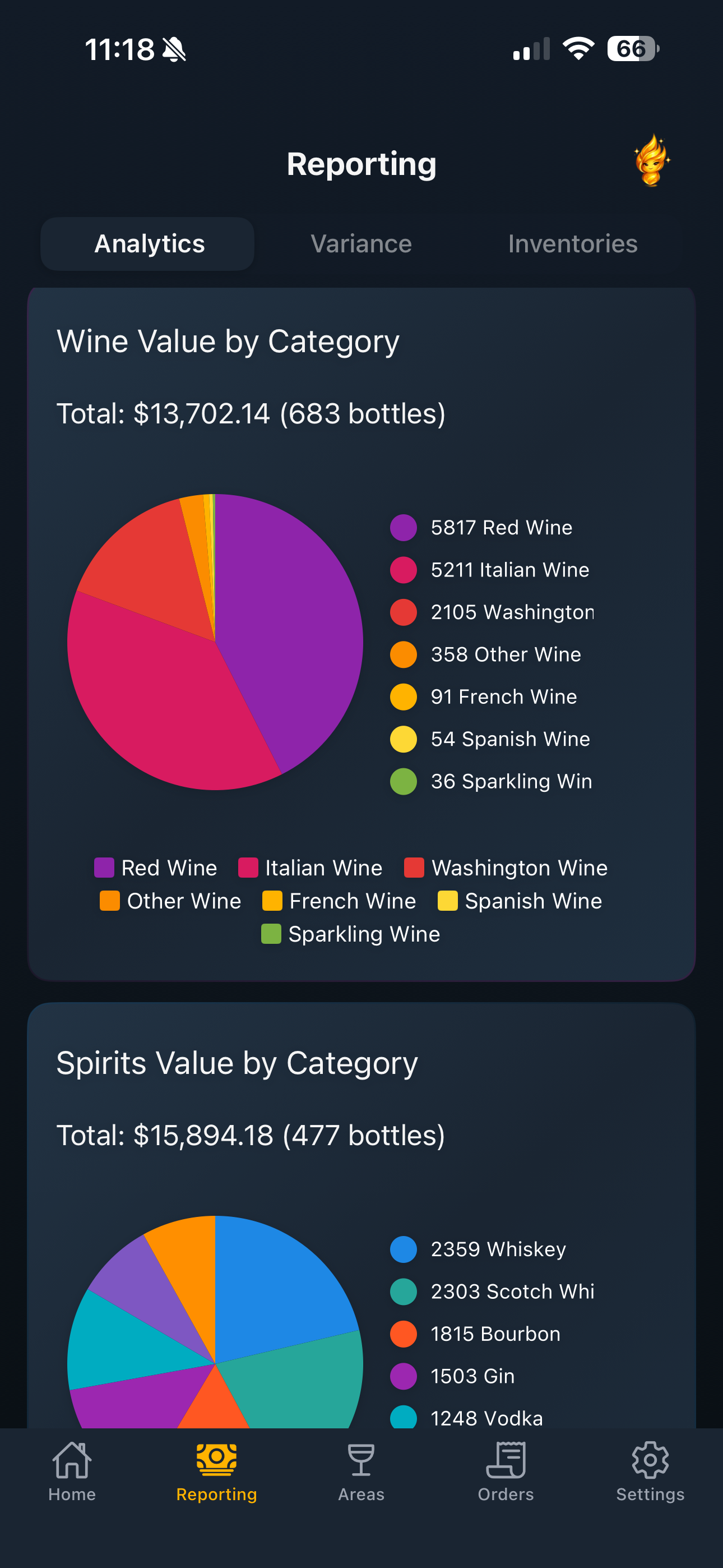
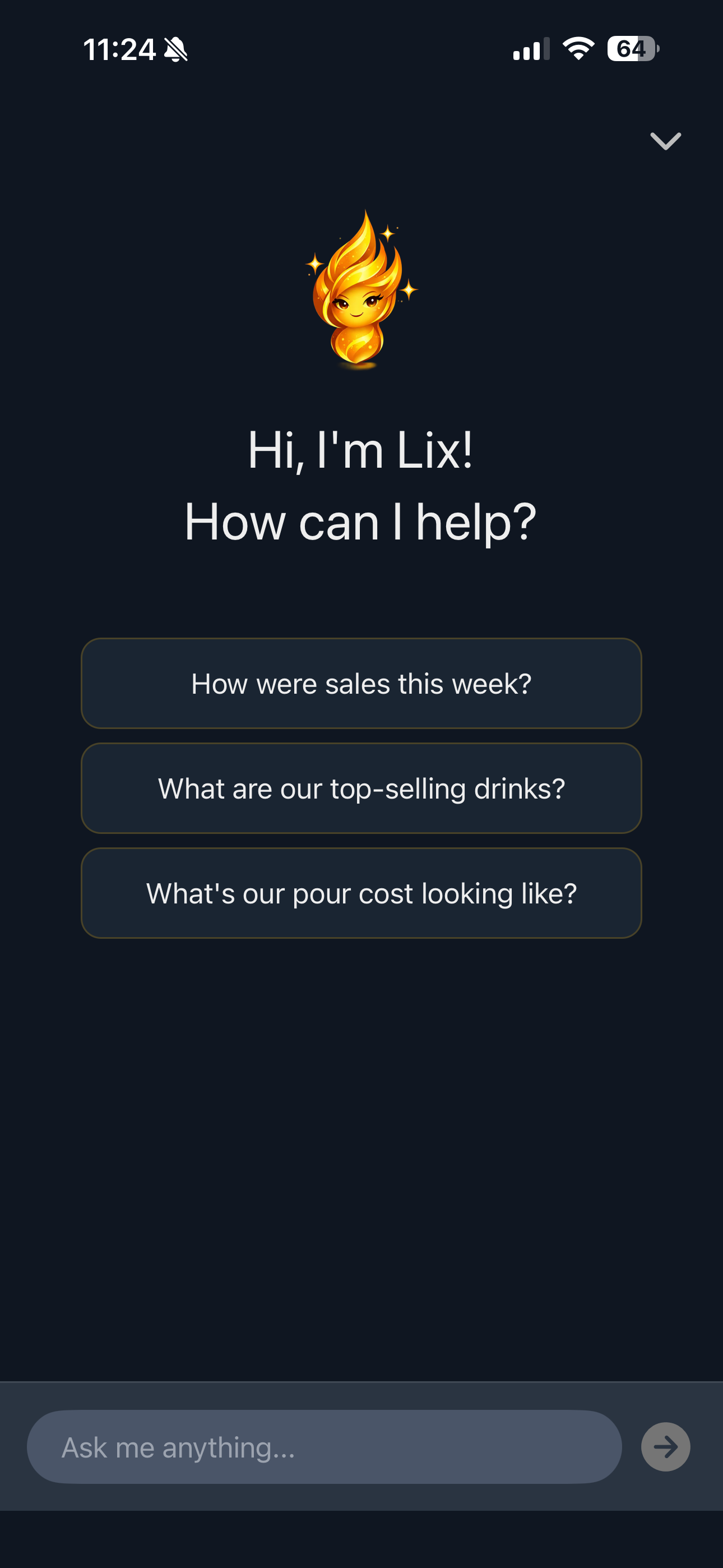
Lixor is a platform, not an app. On the floor, you count by voice on a phone, solo or as a team:
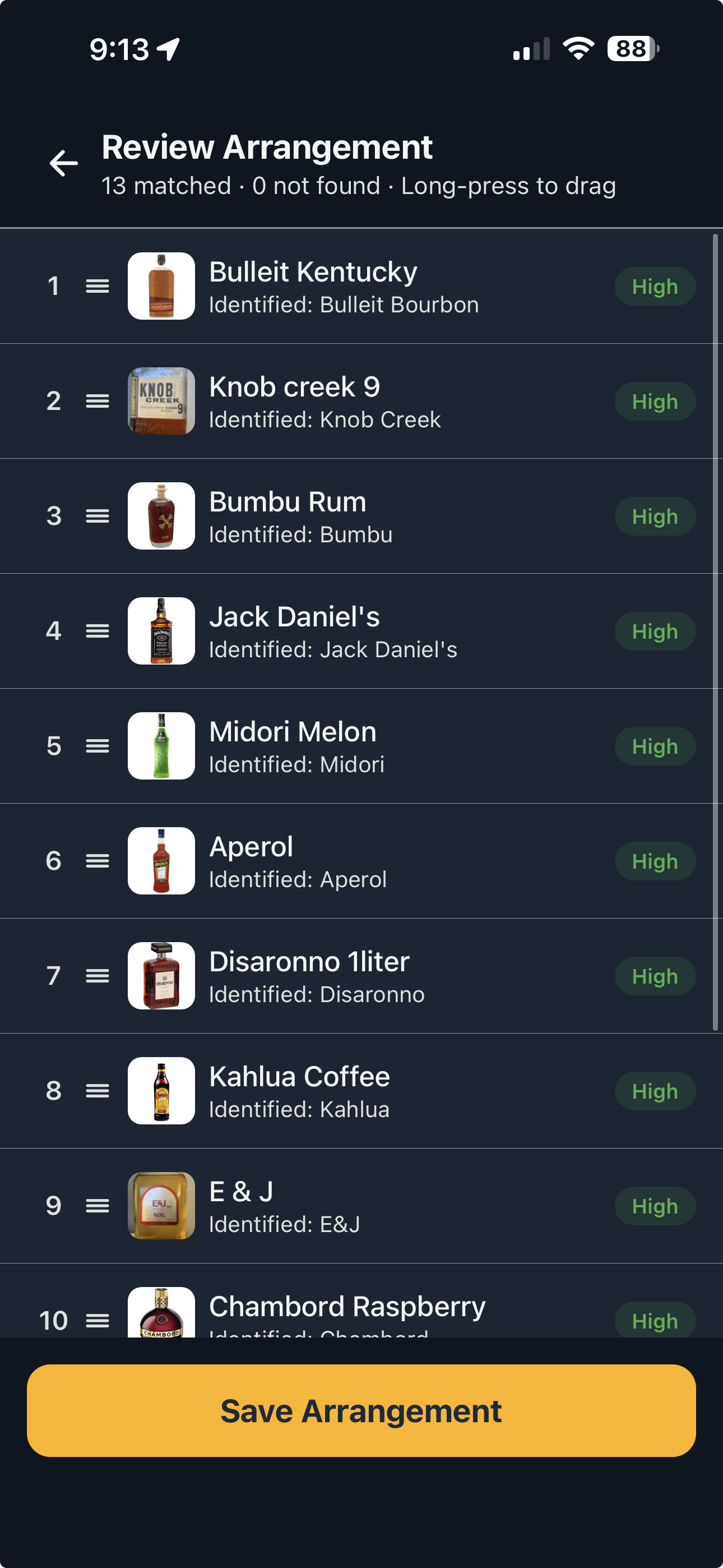
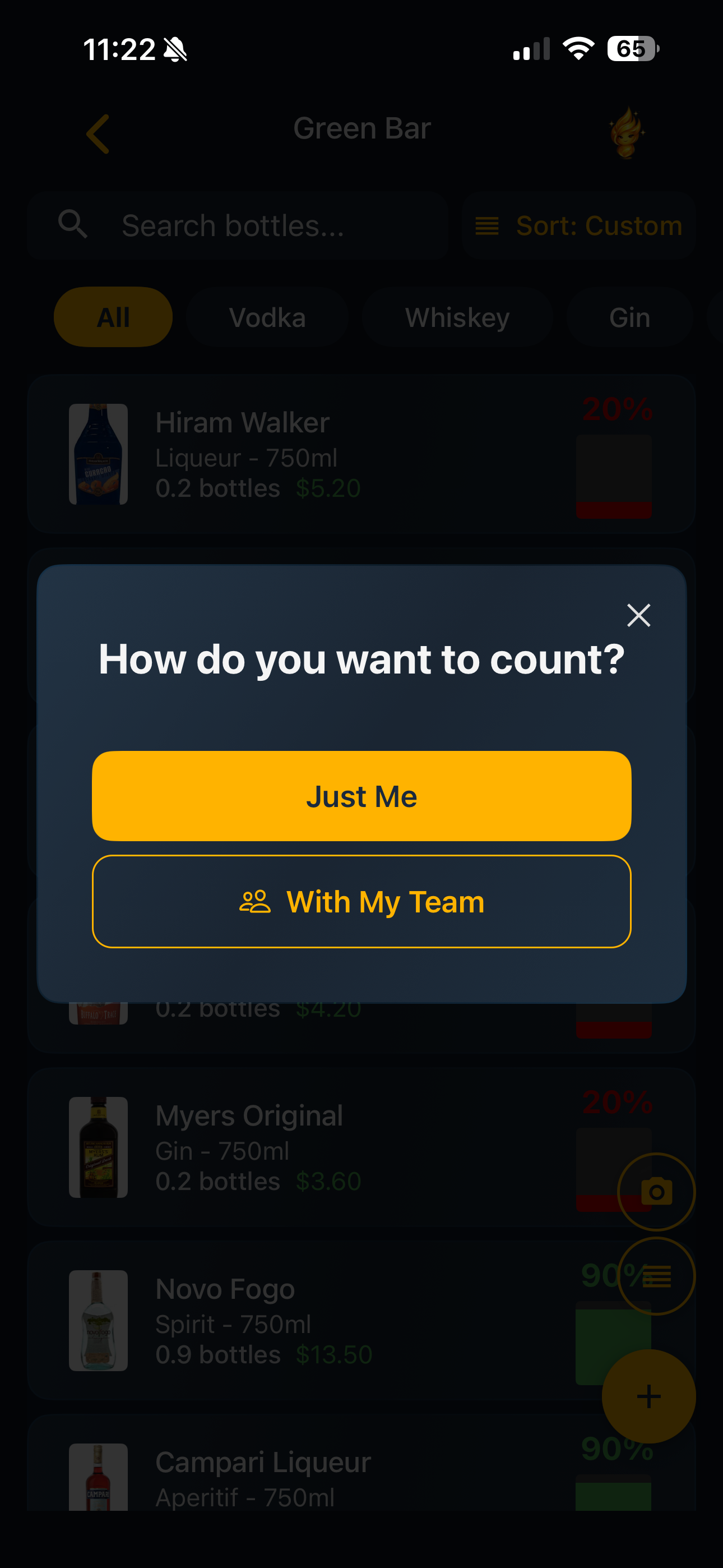
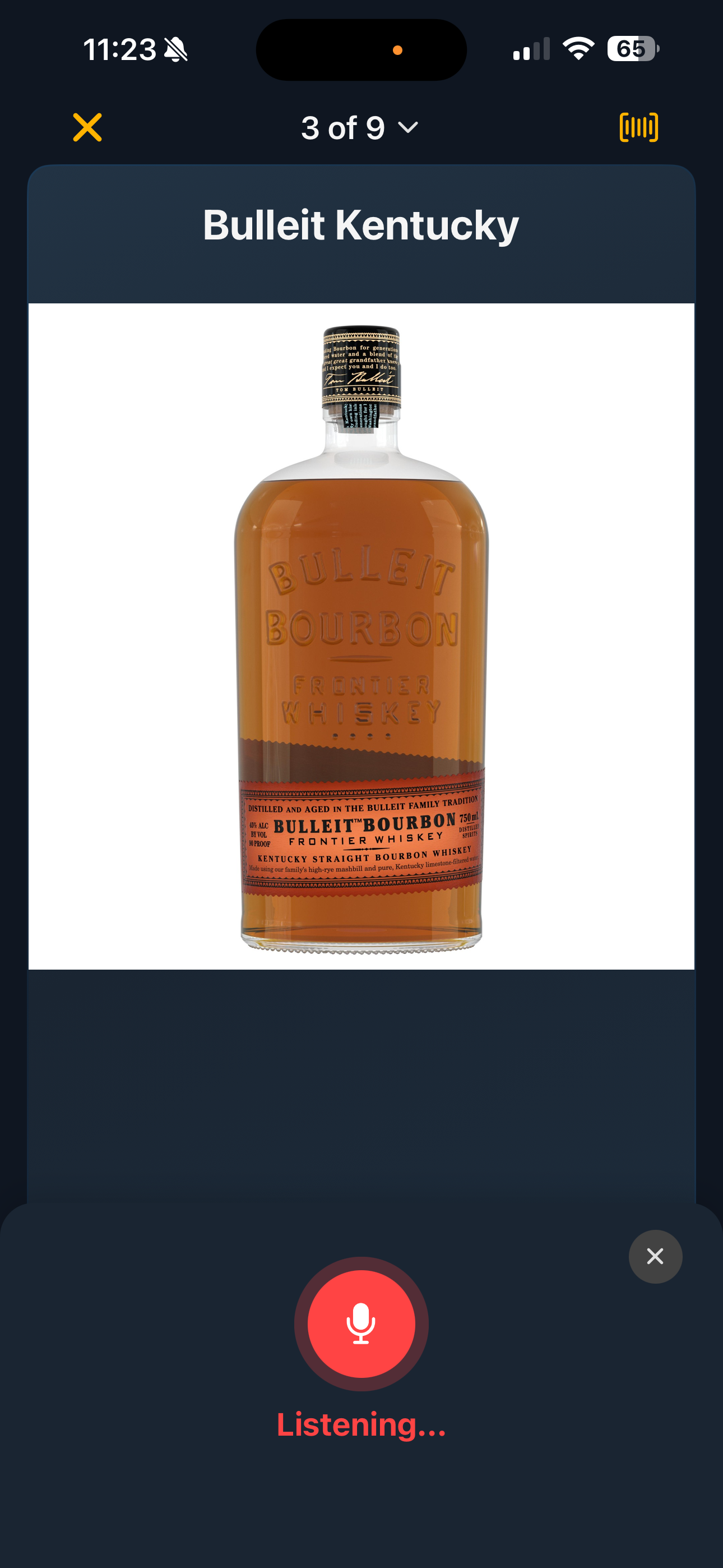
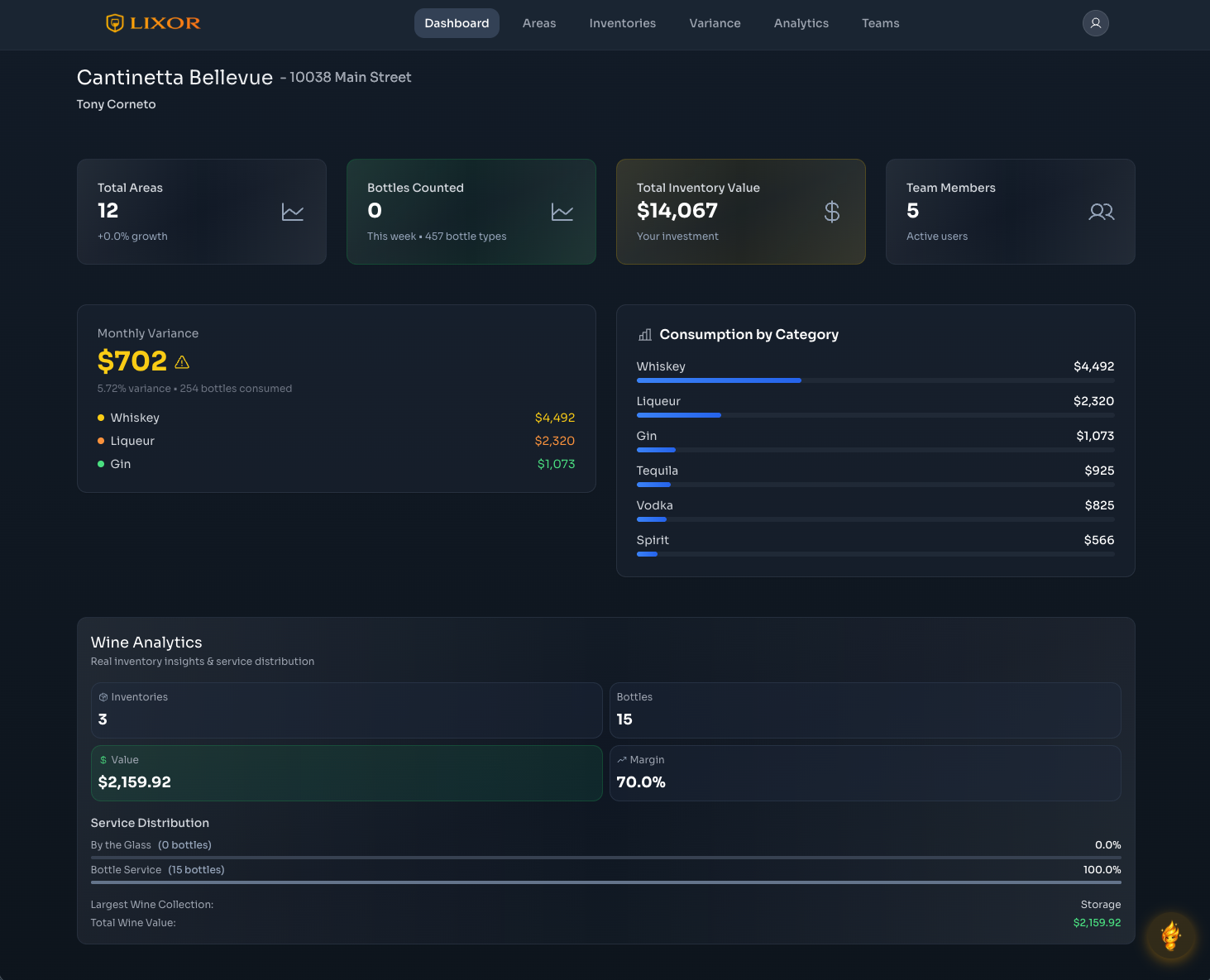
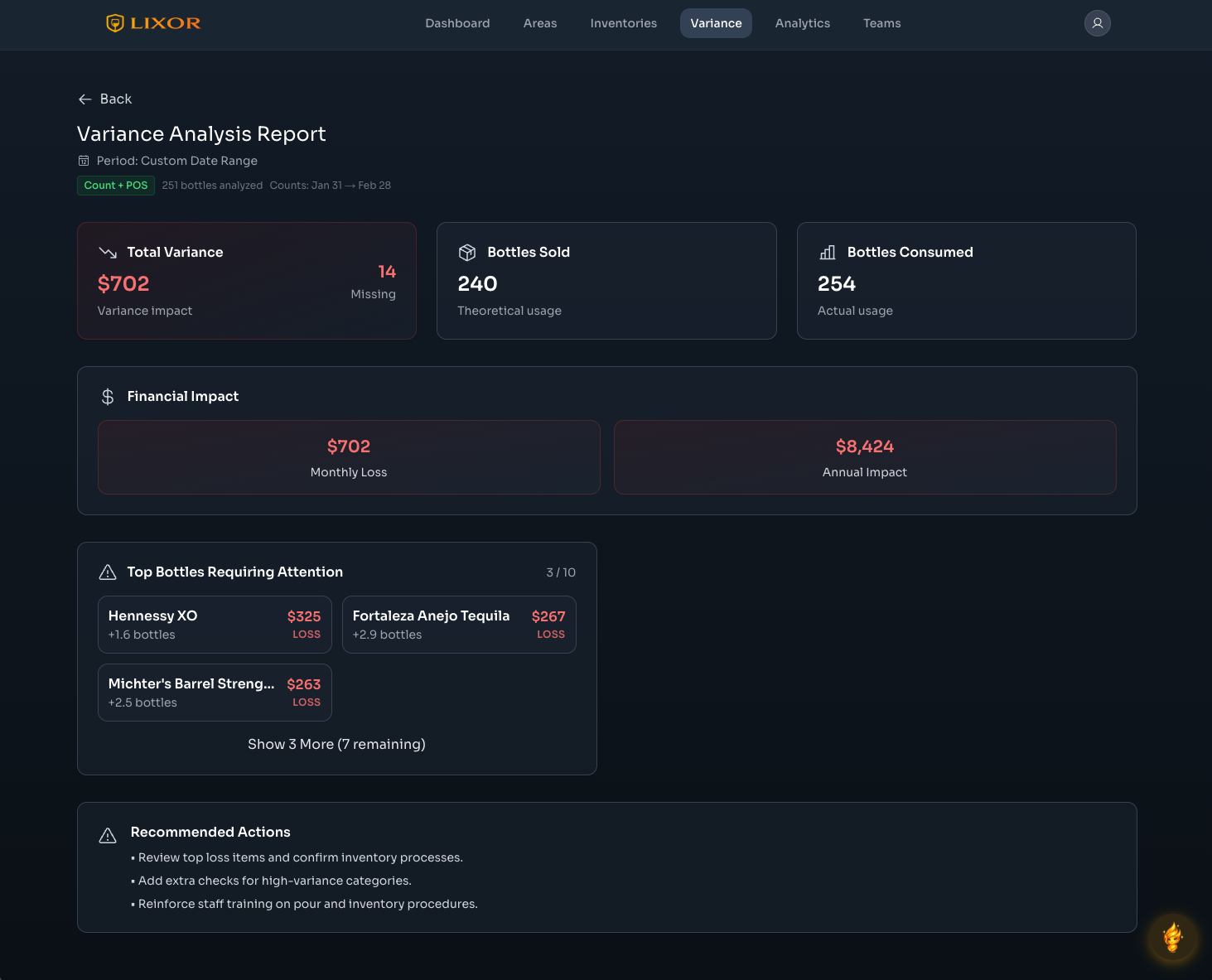
The moment a count ends the numbers are real, and because they connect to the POS you finally get the part that was always missing: what you have, what you're losing, and what it costs.
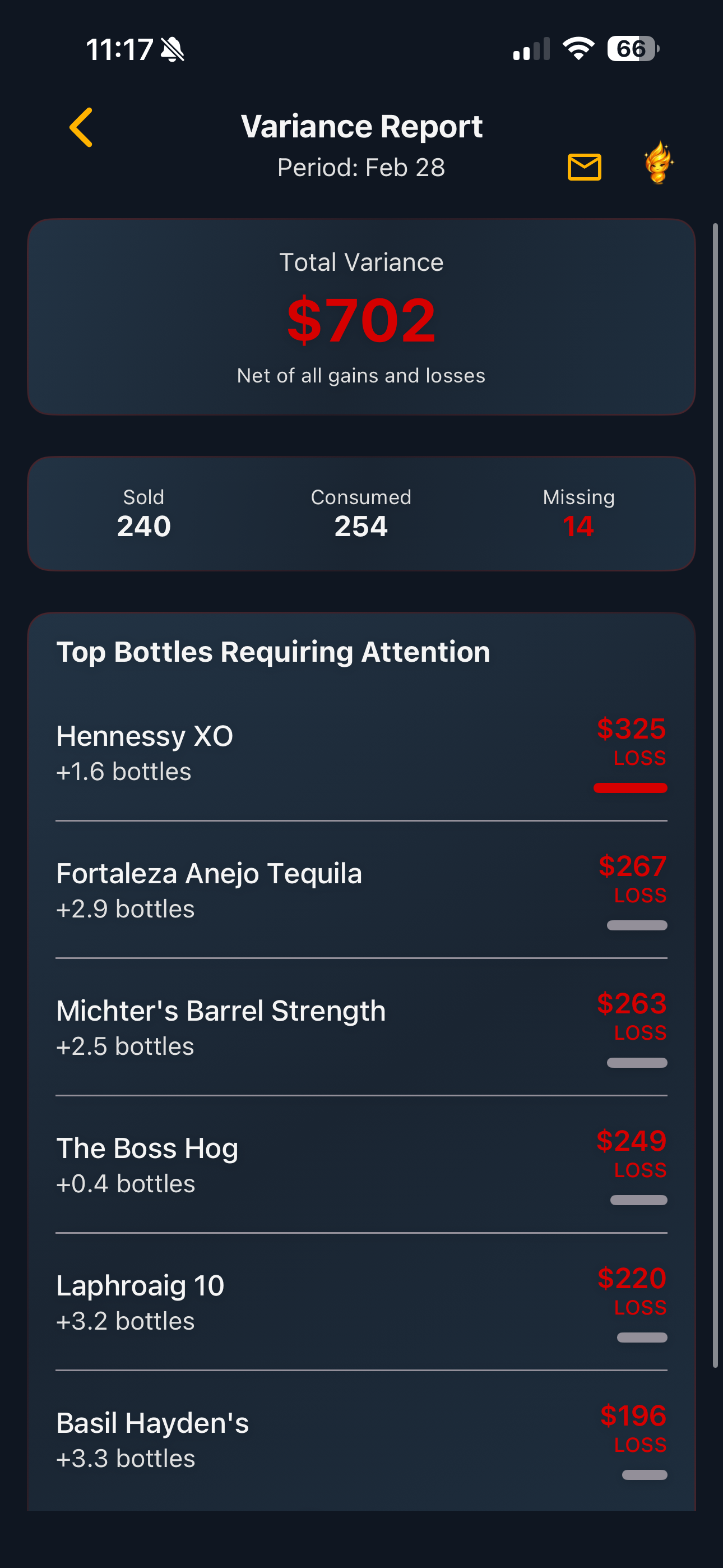
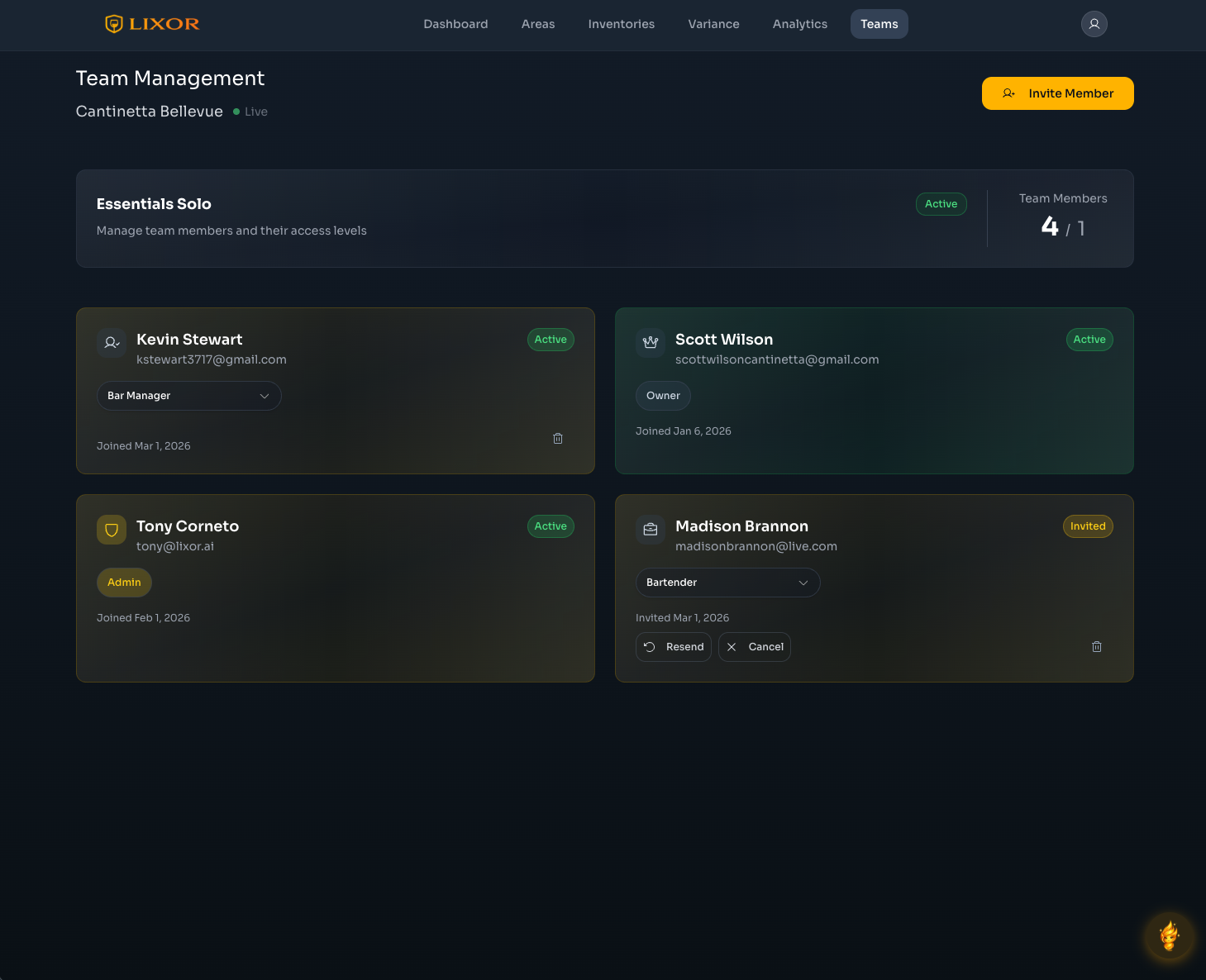
The office gets the same data on the web, where owners and managers actually live:
Impact
Lixor is live on the App Store, Google Play, and the web, with paying customers running their inventory on it. The bars that arrange once and switch to voice trade the paper-and-spreadsheet count for a walk-and-talk that finishes in a fraction of the time, and for the first time they can see their variance and pour cost without doing the math by hand. I designed the interaction model and the interface and built the front-end across all three platforms: a real, in-market 0→1 product, not a concept.
Reflection
The lesson that transfers past bars: the wedge usually isn't a feature, it's removing the friction that keeps a job from being any good. Lixor wins not because voice is novel, but because it turns a paper chore into clean data the moment it's captured.